Cellular and Molecular Toxicology
A major component of CHE research is how chemical toxicants affect organs, cells, and subcellular components of the body. Studies of immune cells, signal transduction, metabolic activation and detoxification, inflammation, cellular and organ development and physiology, genotoxicity, and injury and repair processes in response to toxicants are commonly performed. Toxicants studied include traffic-related vehicle exhaust, particulate matter, dioxin, bisphenol A, secondhand smoke, chloropicrin, engineered nanomaterials, and poly aromatic hydrocarbons. These studies are aided by unique aerosol exposure facilities and an imaging core on site. Disease endpoints include asthma, cancer, COPD, cardiovascular disease, and reproductive abnormalities.
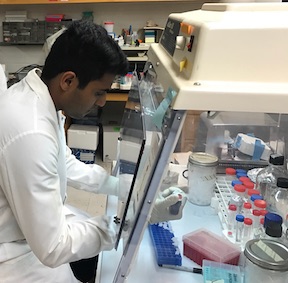
Pulmonary Toxicology and Epidemiology
Research in pulmonary toxicology is facilitated by the unique inhalation facilities available in the Toxic Pollutant Health Research Lab at CHE. These facilities are ideal to study the health effects from exposure to gases, vapors, and particles from tobacco smoke, e-cigarettes, ambient air pollution, nanomaterials, etc. Research projects include investigation of how environmental exposures contribute to the development of pulmonary disease, such as asthma and COPD. The emphasis of pulmonary epidemiology studies is on the hazards of agricultural dusts and chemicals to farmworker health.

Reproductive Biology, Toxicology and Epidemiology
The research activities in reproductive toxicology complement and build upon the molecular toxicology program. These projects focus on the interactions between steroid hormones and xenobiotics in the mechanisms of toxicity to reproductive tract cells. Research in genetic toxicology is focused on the heritable effects of paternal irradiation and the mechanisms by which these effects are transmitted through the germ line. Activities in reproductive epidemiology involve the development and clinical validation of biomarkers for population-based studies of female and male reproductive health. Biomarkers are applied in epidemiologic studies the effects of ethnic background, lifestyle factors and environmental agents on reproductive function.

Epidemiology and Preventive Medicine
Research in epidemiology and preventive medicine is focused primarily on the agricultural workplace. Projects include studying heat-related illness and developing preventative measures and training materials for agricultural workers. Other projects have focused on creating work site educational programs to prevent diabetes and obesity in Latino farmworkers and determine the amount of pesticides in the homes of farmworker families.
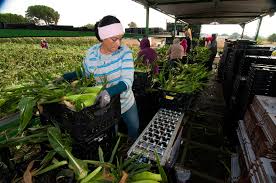
Air Pollution Monitoring
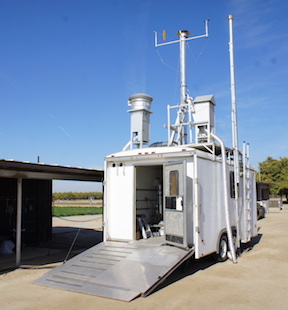
Ambient particulate matter (PM) pollution sampling is done with a mobile research trailer that is fully automated and remotely controllable. PM samples can be size-segregated, and the trailer has a surveillance system for monitoring daily activities in the surrounding area and a suite of high-resolution, real-time air quality and meteorological instrumentation. Collected PM samples can be extracted and tested for toxicity using various in vivo and in vitro biological systems. The air quality and meteorological measurements are used to correlate toxicity with the physical and chemical properties of the collected PM, as well as attribute the PM to specific sources.
Nutritional Science
Research in nutritional science is focused on dietary supplements, such as the antioxidant and anti-aging effects of extracts (salmon testis and milt) that include nucleic acid (dietary nucleotides), proteins (mainly histone, collagen), and polyamines used directly as a food or as a food additive, such as a condiment or a preservative. Other lines of study include investigating the health effects of chondroitin sulfate and hyaluronic acid.

Western Center for Agricultural Health and Safety
The mission of the Western Center for Agricultural Health and Safety (WCAHS) is to improve the health and safety of farmers, farmworkers, and their families in Western agriculture. WCAHS is a multidisciplinary research center that supports the prevention of illness and injury in Western agriculture. Located at the University of California, Davis, WCAHS is one of 11 agricultural health and safety centers in the U.S. established by the Centers for Disease Control and Prevention (CDC) and the National Institute for Occupational Safety and Health (NIOSH) to protect the health and safety of farmers, farmworkers, and consumers.
Our research informs training and outreach to provide health and safety knowledge to growers, industry, labor, government and non-governmental organizations in the western states of Arizona, California, Nevada and Hawaii. The farms in this region range from family businesses to larger agricultural operations, all of which employ family members, farmworkers, and laborers from many countries and cultures. WCAHS is proud to have a 25-year history of conducting innovative research, delivering community interventions, and promoting outreach to its stakeholders.